
Tango Kilo Mike
Charitable Trust
As 2024 Draws to a Close: Reflecting on Burnout
As I write this, 2024 is drawing to a close. It's been a tough year—not just for me, but for everyone I've worked with, am friends with, and have spoken to on the topic.
The Post-COVID Struggle
There has been a clear theme brewing. The post-COVID struggle to retain freedom of choice regarding when and where to work versus the demands of doing more (often with less) really does feel in full swing.
Many people we speak to are tired. Emotionally and physically. The term 'burnout' is often mentioned, but understanding what it truly means isn't straightforward.
Understanding burnout
The clinical definition of burnout is a "state of emotional, mental, and often physical exhaustion brought on by prolonged or repeated stress." This accurately describes the symptoms, but doesn't delve deeply into the causes. Questions immediately that come to mind are:
How prolonged is too long?
How repeated is one time too many?
Is there a level that is more detrimental than others?
If we can't accurately describe the causes of burnout, how do we address it?
The complex arrangement of systems that keeps humans alive has one primary goal—to seek and maintain equilibrium. It has developed mechanisms to adjust when something isn't quite right. Often, these adjustments are felt rather than thought. For example, when your lungs burn under intense physical exertion, it signals you to slow down or stop. When you are ill and need time to recover, your body creates a fever and releases chemicals to make you feel weak.
So maybe, burnout is something that we experience first and recognise through thought later?
Recognising the signs
In an effort to understand if there are common themes related to burnout or chronic exposure to stress, we interviewed several people throughout 2024. We did our best to ensure a good spread of gender, age, and professions, though it wasn't to any clinical standard of efficacy.
We found several common themes related to burnout:
Exhaustion: Not a 'give me 5 minutes' type of exhaustion, but a chronic 'no matter how much I rest, no matter what I do, I'm done' type of exhaustion.
Emotional Overwhelm: Previously pragmatic, level-headed, calm individuals now experience frustration and can become overwhelmed at everything and everyone at the drop of a hat.
Poor Sleep: Difficulty falling asleep or staying asleep, ruminating over things, and prior sleep habits no longer effective.
Lack of Motivation: Activities that were once enjoyable now bring no satisfaction or joy.
Changes in Eating/Drinking Habits: Increased consumption of junk food, alcohol, or even illegal drugs as coping mechanisms.
Disconnecting from Social Life/Hobbies: Reduced desire to engage with friends or family or participate in hobbies.
Health Issues: Unexplained medical issues like headaches, fevers, joint aches, raised blood pressure, and heart rates. Some even had more significant issues; stress induced epilepsy and vertigo.
Self-Neglect: Even basic tasks like washing and dressing become problematic, with a tendency to overwork on projects rather than address personal needs.
Performance Decline: Short attention span, inability to focus, loss of creativity, and problem-solving skills.
Helplessness: A sense of something being wrong without being able to identify it, leading to feelings of 'all hope is gone' and sometimes suicidal ideation or attempts.
Can't see the wood for the trees
In every person interviewed, it took someone else advising them that something wasn't right before they sought help.
This suggests that not only are humans adept at seeking equilibrium, but also at normalising their environments—even to their detriment. We recognise stress only when it is abnormally high and of short duration, like anomalies in day-to-day life.
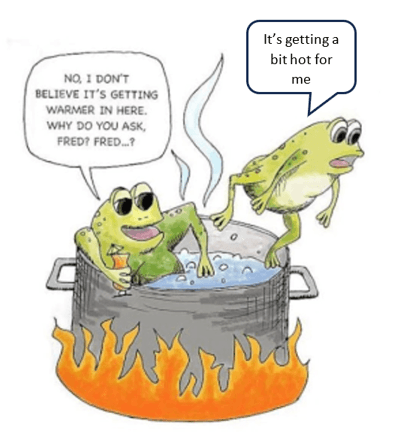
It makes me think of the experiment with the frog in the beaker. Drop a frog into a pot of boiling water, and it will jump out. Put a frog into lukewarm water and heat it, and it will boil to death. We are the frog, and the stress is the heat applied. Thinking about burnout using this analogy raises a few questions:
What can we do to recognise when enough becomes too much?
What can we do when we need to get away from the stressors?
What would 'recovery' look like?
How can we be a canary for others?
Understanding the recovery process
Recovery from burnout has less commonality in terms of themes than the causes. However, three primary themes persist:
1. The Time It Takes to Get Into Burnout is Likely About the Same Length of Time for Recovery: Burnout is a result of prolonged stress and overexertion, and similarly, recovery is a gradual process. Trying to rush through it often leads to setbacks and a return to burnout, so it’s important to be patient with yourself. Set realistic recovery goals, prioritize rest and self-care, and celebrate small milestones along the way. Avoid the temptation to take on too much too soon, recognizing that recovery is a journey, not a sprint.
2. Exercise Was as Beneficial as Medication: Physical activity helps reduce stress, improve mood, and enhance overall well-being. Engaging in outdoor activities like mountain biking, walking through forests, or ocean-based activities offers additional benefits from being in nature, which can have a calming effect. Incorporate regular, enjoyable exercise into your routine, even if it's something as simple as a daily walk. Exploring different forms of exercise can help you find what you enjoy the most, making it easier to stick to a regular routine.
3. Therapy Helps Navigate the Reflective Fallout and Stigma of Burnout: Therapy provides a safe space to process emotions, recognize that burnout is a health issue, and develop coping strategies. Seeking out a therapist who specializes in stress management can help build resilience and support long-term recovery. Attend therapy sessions regularly, be open about your experiences, and use therapy as a tool to build resilience and develop effective coping strategies.
An ounce of prevention is worth a pound of cure
In many cases, there has been a profound sense of self-awareness gained from the process. Bonds with friends have become closer and more mutually supportive, allowing dialogue to flow about burnout and other issues. Recognizing non-negotiable boundaries is essential to prevent future burnout episodes. These boundaries include:
1. Learning to Say No: Overcommitting and taking on too many responsibilities can lead to burnout. Recognizing your limits and setting boundaries to protect your well-being is crucial. Practice assertiveness and learn to say no without guilt. Prioritize tasks and focus on what’s truly important, delegate responsibilities when possible, and avoid overloading your schedule.
2. Leaving Work at Work: Blurring the lines between work and personal life can lead to chronic stress. Establishing clear boundaries between work and home helps maintain a healthy work-life balance. Set specific work hours and stick to them, avoid checking work emails or taking work calls outside of those hours, and create a designated workspace at home to physically separate work from personal life.
3. Delegating More: Trying to do everything yourself can lead to exhaustion and burnout. Delegating tasks to others can lighten your load and improve team collaboration. Identify tasks that can be delegated, provide clear instructions and support to ensure successful delegation, and focus on tasks that require your unique skills and expertise.
4. Setting More Effective/Realistic Targets: Unrealistic goals and high expectations create unnecessary pressure. Setting achievable targets helps maintain motivation and reduce stress. Break down large goals into smaller, manageable tasks, use SMART (Specific, Measurable, Achievable, Relevant, Time-bound) criteria to set targets, and regularly review and adjust goals as needed.
5. Creating and Maintaining Regular Breaks: Continuous work without breaks can lead to mental and physical fatigue. Regular breaks help refresh your mind and improve productivity. Schedule regular breaks throughout your day, take short walks, practice deep breathing, or do a quick stretch. Techniques like the Pomodoro Technique can help balance work and rest periods effectively.
6. Enabling 'The Canary' Conversation: Having open conversations about stress and burnout can help identify issues early and provide support. Create an environment where people feel comfortable discussing their struggles. Foster a culture of openness and support within your community or workplace, encourage regular check-ins and discussions about mental health, and be proactive in offering help and resources to those who may be struggling.

Closing thoughts
Burnout is a complex and pervasive issue, affecting individuals across various professions and walks of life. It’s clear that while the journey through burnout can be incredibly challenging, it also offers opportunities for profound personal growth and a deeper understanding of our own needs and boundaries.
The key takeaway from our exploration of burnout is the importance of recognising the signs early, taking proactive steps to address them, and fostering a supportive environment both for ourselves and those around us. By learning to say no, setting realistic goals, and prioritising self-care, we can build resilience and prevent burnout before it takes hold.
As we move forward into the new year, let’s commit to being vigilant canaries not only for ourselves but for each other. Let’s create spaces where conversations about mental health are normalised and supported, where seeking help is seen as a strength rather than a weakness.
Remember, recovery is possible, and taking the time to care for your mental and physical well-being is crucial. Whether it's through therapy, engaging in outdoor activities, or simply taking regular breaks, every step you take towards self-care makes a difference.
Let's work together to create a culture where well-being is prioritised, and where burnout is understood and addressed with compassion and action. Your journey through burnout may be a long and winding road, but know that you are not alone. There is hope, there is help, and there is a path forward.
Stay connected, stay supported, and take care of yourself and each other. Here’s to a healthier, more balanced 2025.
Have questions about training, speaking engagements, or coaching?
Help Tango Kilo Mike
Achieve their mission
Tango Kilo Mike Charitable Trust is a registered NZ Registered Charity: CC59166