
Tango Kilo Mike
Charitable Trust
The art of active listening: Building connections beyond words
In today's fast-paced world, communication often feels like a race to be heard rather than a genuine exchange. We all want to express ourselves, but how often do we truly listen? Active listening isn't just about hearing words; it's about understanding, empathizing, and connecting on a deeper level.
What is Active Listening?
Active listening is a skill that goes beyond passively hearing words. It involves fully concentrating on what is being said, understanding the message, responding thoughtfully, and remembering the details. It's about showing the speaker that you value their words and opinions. Think of it as the verbal equivalent of reading comprehension, but with an emotional and interpersonal twist.
Active Listening vs. Listening:
Listening, in its simplest form, is the process of hearing sounds and interpreting them. However, active listening takes this one step further. It requires not only hearing the words but also engaging with them on a deeper level. This can be compared to reading versus reading comprehension.
When you read, you recognize the words, and they form sentences. However, true comprehension involves engaging with the text, understanding its meaning, reflecting on its purpose, and retaining the information. Similarly, active listening is more than just hearing someone speak—it's about making sure you're truly understanding the message, processing the emotions, and responding thoughtfully.
Key Elements of Active Listening:
Give Your Full Attention: Eliminate distractions and focus entirely on the speaker. Maintain eye contact and use non-verbal cues like nodding to show you're engaged.
Show Empathy: Try to understand the speaker's emotions and perspective. Reflect their feelings back to them to demonstrate empathy and build trust.
Ask Open-Ended Questions: Encourage the speaker to elaborate and clarify their thoughts. This shows genuine interest and helps deepen the conversation.
Paraphrase and Summarize: Repeat back what you've heard in your own words to confirm understanding. Summarizing shows you've been listening and helps clarify any misunderstandings.
The Hook and Emotional Questioning (James Voss): According to James Voss, a master negotiator, one of the most powerful ways to engage in active listening is by using a "hook" and emotional questioning. A hook is a technique where you gently guide the speaker to a place where they feel comfortable sharing deeper thoughts or emotions. Voss suggests that instead of simply asking questions that gather facts, you should ask emotionally resonant questions that provoke introspection. For example, instead of asking, "What happened next?" ask, "How did that make you feel?" This shift invites the speaker to connect with their emotions and opens the door for a more meaningful conversation. Voss emphasizes that emotional questioning can create a deeper sense of connection and trust, as it demonstrates your genuine interest in their feelings, not just their words.
Active Listening vs. Reading Comprehension:
Think of active listening like reading comprehension, but for spoken words. When we read, we don't just look at the letters and words—we interpret the meaning behind them, asking ourselves questions like, "What is the author trying to say?" or "How does this relate to what I know?" Similarly, in active listening, we're not just hearing the words— we're actively interpreting the speaker's message, considering their emotional tone, body language, and intent.
For example, when reading a story, you might ask yourself, "Why did the character make that decision?" In active listening, you might ask, "What does this person really need from me in this moment?" Reading comprehension requires you to absorb information and apply it to a broader context. Active listening does the same with spoken words, helping you understand both the content and the emotions behind what is being communicated.
Benefits of Active Listening:
Stronger Relationships: Active listening fosters trust and respect in personal and professional relationships. It shows you care about others' perspectives.
Conflict Resolution: By listening actively, you can better understand different viewpoints and find common ground, reducing misunderstandings and conflicts.
Improved Learning: Active listening enhances your ability to absorb information and learn from others' experiences, making you more effective in academic and professional settings.
Practical Tips for Improving Active Listening Skills:
Practice mindfulness to stay present in conversations.
Avoid interrupting or formulating responses while the other person is speaking.
Take notes if needed to help remember key points and show attentiveness.
Use emotional questioning to deepen the conversation and connect on a more meaningful level.
The Bottom Line:
Active listening is a powerful tool that can transform how we communicate and relate to others. By mastering this skill, we not only become better listeners but also build stronger connections and enrich our personal and professional lives. Start practicing active listening today, using the hook and emotional questioning techniques from James Voss, and experience the positive impact it can have on your relationships and overall well-being.
For a deeper dive into the art of active listening and its impact on leadership, tune into our podcast “Leadership Life Lessons,” where we explore this topic in detail through real-world examples and expert insights.
Other popular posts
By Chris Collins on September 9, 2025
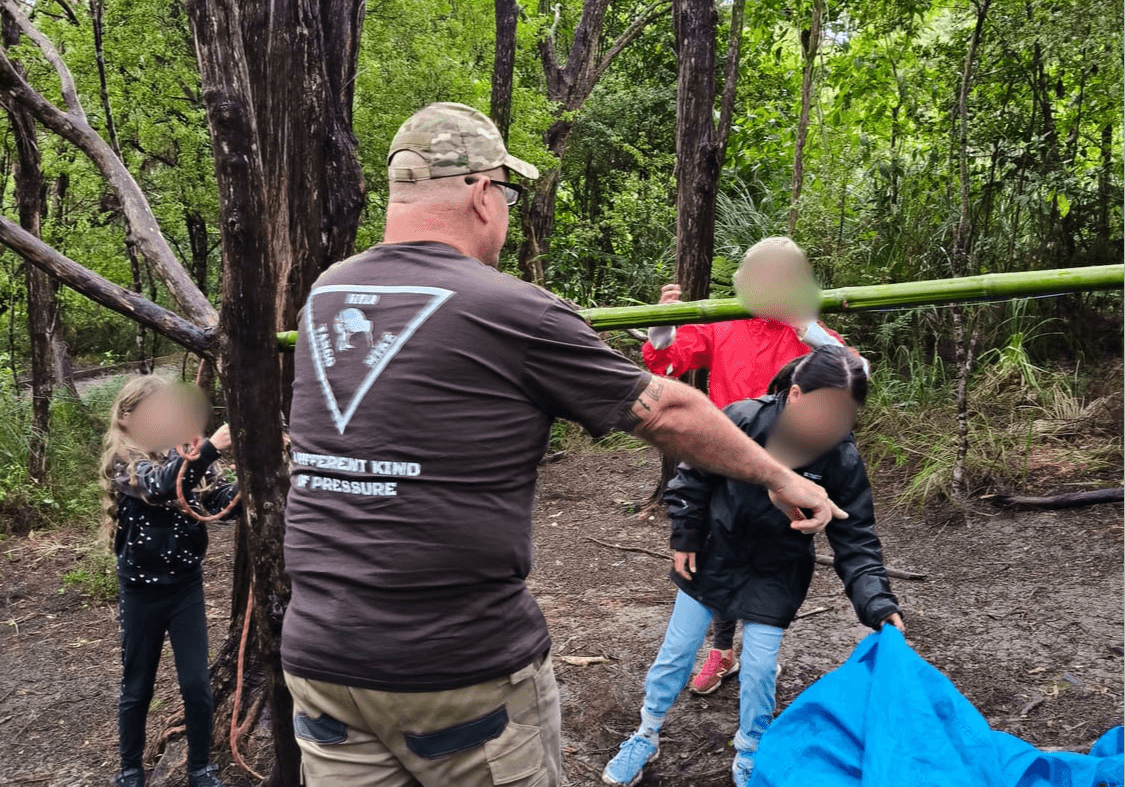
Mud, Bugs & Bivvies: Lessons in Leadership from the Forest Floor
By Chris Collins on September 16, 2025

Over-responsibility: The Silent Burden on Leaders and How to Address It
By Chris Collins on September 2, 2025
Our blog
The Tango Kilo Mike blog is a space for reflection, storytelling, and shared wisdom. We spotlight the voices of current and former members of the emergency and military services, along with their families, offering insights into leadership, resilience, mental health, and personal growth.
Whether it's a story of trauma turned into triumph, lessons learned on the front lines, or practical advice for navigating life after service, our blog is here to connect, uplift, and empower. Every post is written with mana—because every experience matters.
Explore popular posts, discover life lessons, and join a community built on courage, compassion, and connection.
Topics
Help Tango Kilo Mike
Achieve their mission
Tango Kilo Mike Charitable Trust is a registered NZ Registered Charity: CC59166